
#beer #brewery #beermaking
Brewery Operations: 5 Signals your brewery is under strain
A brewery can look busy long before it starts feeling constrained. Tanks stay occupied, batches keep moving, and the plant remains in motion, but the rhythm of brewery operations begins to change in small ways that are easy to miss at first.
Schedules need more adjustment. Turnaround takes a little longer. One delay starts affecting the next. The activity is still there, but the ease with which it turns into output starts to change.

What makes this difficult to recognize is that these changes get absorbed into daily operations rather than standing out as problems.
They indicate that the system is no longer behaving in the same way, even though nothing appears visibly wrong. Recognizing this shift early allows patterns to be addressed before they begin to limit performance.
The following signals reflect those shifts, starting with the most commonly observed one inside growing breweries.
Signal 1: You are running full, but somehow not producing more
In many growing breweries, operations appear fully utilized. The brewhouse is active, tanks are occupied, and production teams are constantly engaged.
Yet over time, small disruptions begin to surface:
- Brew days getting deferred or rescheduled
- Fermenters not available when expected
- Packaging timelines shifting based on tank readiness
- Production planning becoming less predictable
Individually, these are manageable adjustments. Collectively, they indicate that output is no longer keeping pace with activity.
Where the system starts slowing down
What begins to limit performance is not brewhouse output, but how long each batch stays within the system.
Fermentation and conditioning follow process realities that do not compress with demand:
- Fermentation timelines vary across batches
- Yeast behavior introduces cycle-to-cycle variation
- Cooling performance shifts with load and seasonal conditions
What changes commercially
The impact is not immediate, but it becomes structural over time.
- Production targets begin relying on theoretical throughput rather than actual output
- Tank additions are required earlier than anticipated
As the gap widens, decisions start shifting. Capital is deployed to create buffer capacity instead of improving flow efficiency. Sales potential becomes constrained by internal system behavior rather than market demand. In effect, the brewery is working at full capacity, but not converting that effort into proportional output.
Signal 2: Yeast results stop adding up
Yeast handling is expected to be one of the most controlled parts of brewery operations. The same strain, the same process, and the same measurements should ideally lead to consistent fermentation behavior. But in practice, inconsistencies often begin much earlier than the fermentation stage.
Where the variation begins
The first layer of variation usually comes from measurement itself. Viability testing depends heavily on the accuracy of tools and methods used during sampling.
- Pipettes and weighing scales that are not calibrated introduce small but critical errors
- Degassing techniques and sampling methods can alter test readings
- Even minor inconsistencies in handling can shift the interpretation of yeast health
These variations do not appear significant at first, but they influence how pitching decisions are made.
The second layer comes from the propagation side. Systems that are not maintained with strict hygiene discipline can become a source of contamination. This does not always lead to immediate failure, but it gradually impacts yeast viability and performance across cycles.
At the same time, yeast itself does not remain constant. Reused strains behave differently over generations. Variations in vitality and strength begin to affect fermentation kinetics, even when other parameters are held steady.
Where control starts slipping
What makes this challenging is that none of these factors act independently. Measurement inaccuracies, propagation conditions & strain variability begin to interact.
The outcome is a growing gap between expected and actual fermentation behavior.
As this gap widens, it starts reflecting in day-to-day operations. Batch timelines require closer monitoring, fermentation behavior needs more intervention, and planning begins to rely more on experience than on repeatability.
At that point, consistency is no longer driven purely by process design. It depends on continuous adjustments and operator judgment to maintain stability.
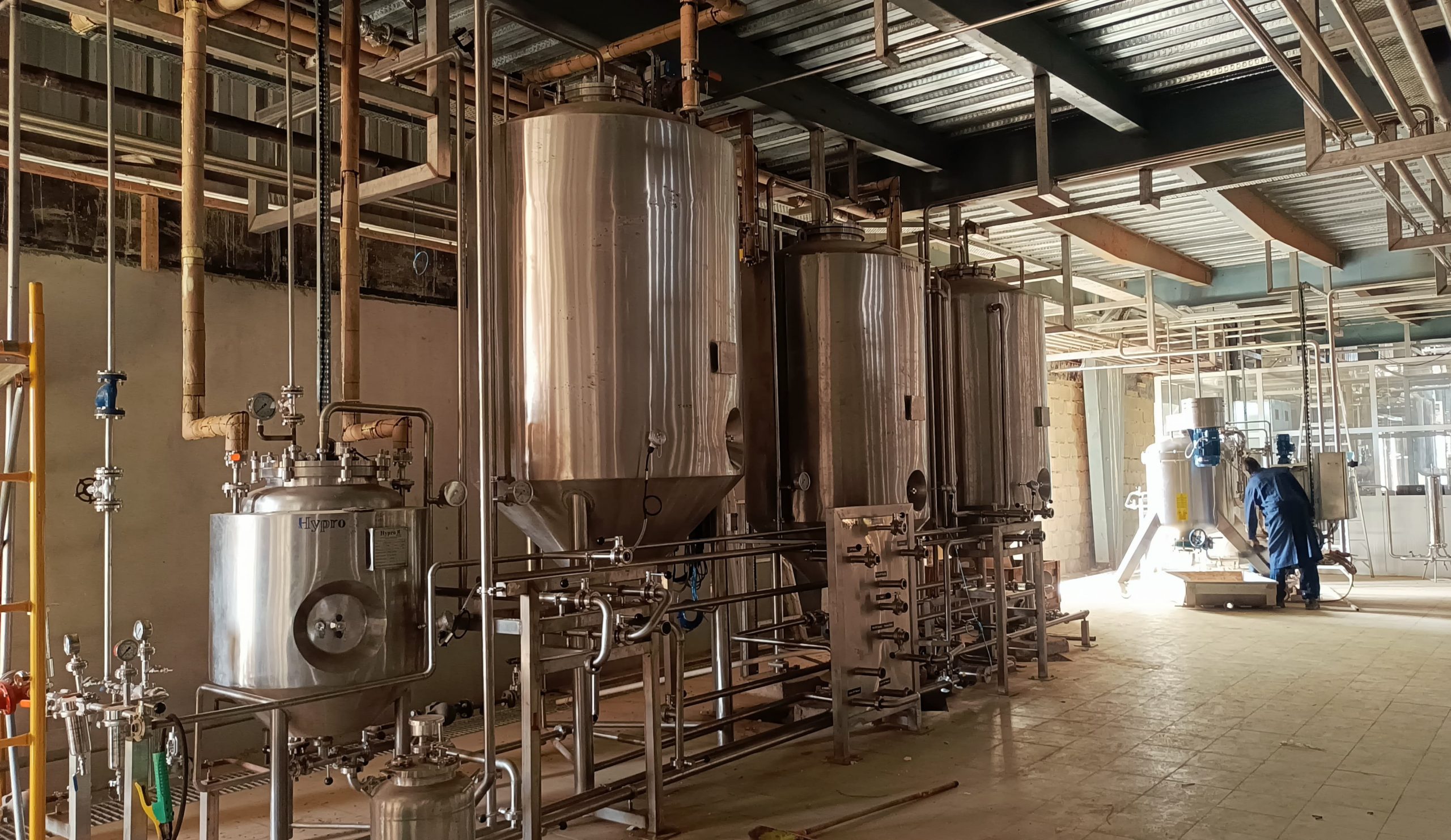
Brewery Operations
Signal 3: Fermentation tanks don’t respond the way they used to
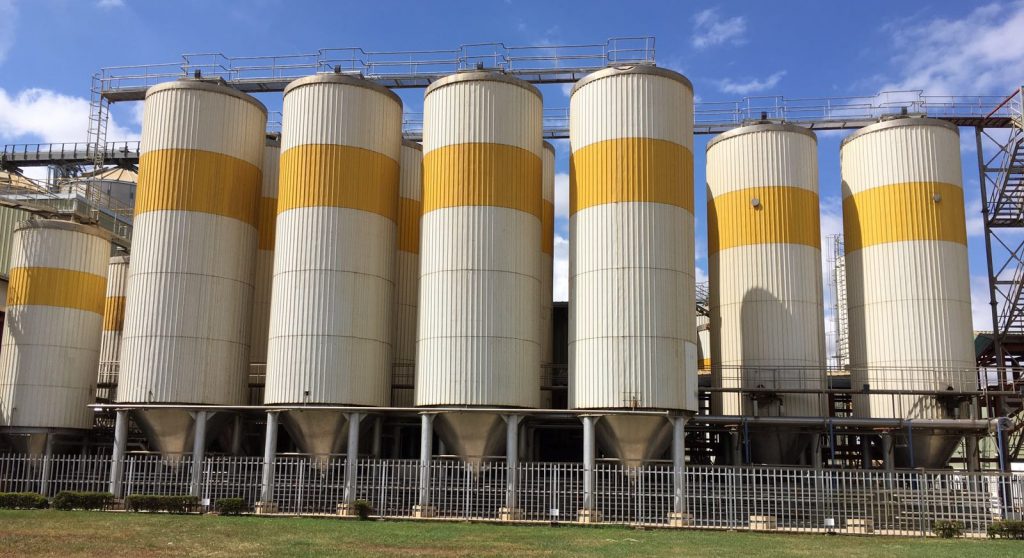
Fermentation tanks are expected to behave in a consistent and predictable manner. Once commissioned and stabilized, they become the backbone of controlled processing. Over time, however, subtle changes begin to appear in how they respond.
Early signs are easy to overlook
In practice, the behaviour of yeast in the cone determines far more than most early designs anticipate.
- Temperature does not hold as precisely as before
- Cooling takes longer under similar load conditions
- Pressure behavior needs closer monitoring
- Minor leaks or insulation issues start becoming noticeable
Temperature and pressure start drifting
None of these immediately stop production. But they indicate that the system is no longer operating under the same conditions as earlier.
The most common shift begins with temperature control. Sensors that drift from calibration or cooling systems that lose efficiency can create uneven thermal profiles inside the tank. Even small deviations can influence fermentation behavior, especially under higher production loads.
Mechanical condition begins to matter more
- Weld joints can develop stress points
- Seals and valves may lose reliability
- Insulation damage affects thermal stability
These are gradual developments, not sudden failures.
Where the impact becomes visible
What makes them significant is their combined effect. When temperature, pressure, and structural integrity do not behave consistently, the tank stops being a stable environment for fermentation.
The impact is not always immediate, but it becomes visible through process variation, increased monitoring effort, and a higher risk of contamination or batch deviation. At that stage, maintaining consistency requires more intervention than before, and the system no longer operates with the same level of confidence.
Signal 4: Cleaning takes longer… and you’re still not fully confident
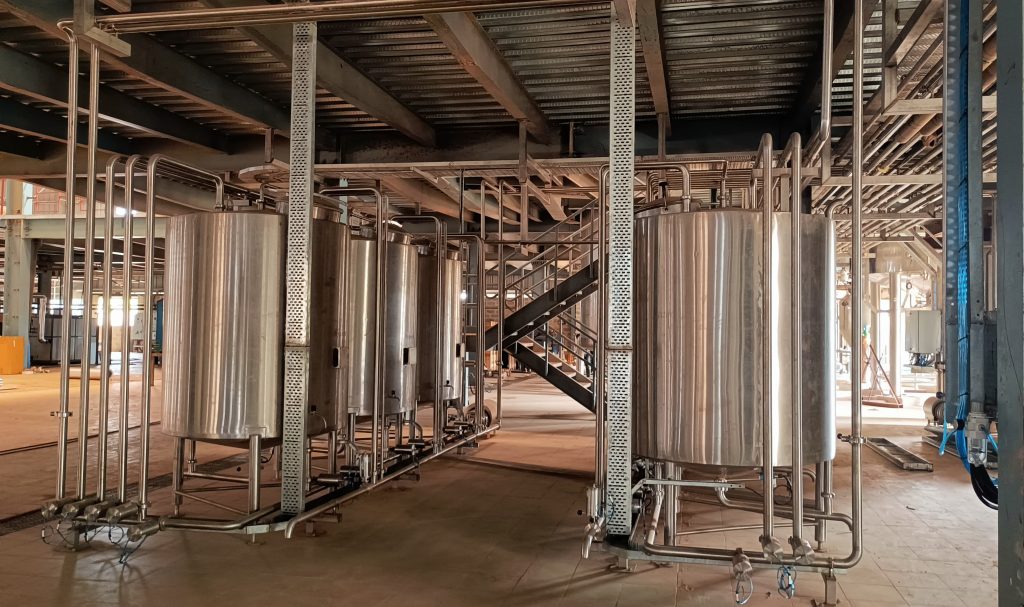
Cleaning is one of those parts of brewery operations that is expected to work quietly in the background. When systems are performing well, tanks are released on time, hygiene is maintained, and production moves forward without interruption.
As operations scale and usage intensifies, subtle changes begin to surface.
What begins to feel different
- Cleaning cycles begin to take longer than earlier
- Water and chemical consumption gradually increase
- Tanks are not always ready when production expects them
- Occasional hygiene concerns start surfacing despite routine cleaning
Nothing appears to have failed. But the process no longer feels as efficient or as reliable as before.
Loss of consistency in cleaning performance
One of the first areas where this shows up is in cleaning effectiveness. Residue build-up inside tanks, pipelines, or fittings can reduce the efficiency of cleaning cycles. Even when standard procedures are followed, the actual coverage and removal may not be as consistent.
System performance also begins to influence outcomes.
- Pump efficiency affects circulation and cleaning velocity
- Spray devices may not deliver uniform coverage over time
- Flow paths can develop dead zones if not properly maintained
When system conditions change, but cleaning doesn’t
Cleaning cycles do not always remain aligned with actual operating conditions. As production scales, load conditions change, but cleaning parameters often remain unchanged. This creates a gap between what the system is designed to handle and what it is actually processing.
The impact becomes harder to ignore
The challenge with cleaning is that its impact is not always immediately visible. However, even small inconsistencies can increase the risk of contamination, off-flavours, or batch rejection over time.
Operationally, the effect becomes clearer.
Longer cleaning cycles reduce tank availability. Production schedules begin adjusting around cleaning timelines rather than planned output. Resource consumption increases without a corresponding improvement in performance.
From there, cleaning is no longer just a hygiene function. It becomes a factor that directly influences both reliability and productivity.
Signal 5: Costs keep rising… but production doesn’t match it
Energy is one of the largest and most continuous inputs in brewery operations. In the early stages, it scales reasonably with production. As capacity increases, however, the relationship starts to change.
Brewery Operations
The first indication is not technical, but financial.
- Utility bills increase faster than production output
- Steam, power, and cooling demand rise disproportionately
- Energy consumption per batch begins to vary
- Cost per HL starts drifting upward
At first, this is often attributed to growth. But over time, the gap becomes difficult to ignore.
Why the system starts consuming more
The underlying reason lies in how different systems interact as the brewery scales.
Brewing is not a single continuous process. It involves multiple stages operating simultaneously:
- Brewhouse heating for mashing and boiling
- Wort cooling requiring significant refrigeration
- Fermentation demanding continuous temperature control
- Cleaning cycles consuming both heat and water
As production increases, these loads begin to overlap. Heating, cooling, and cleaning systems run in parallel rather than in sequence. Even small inefficiencies at each stage start accumulating.
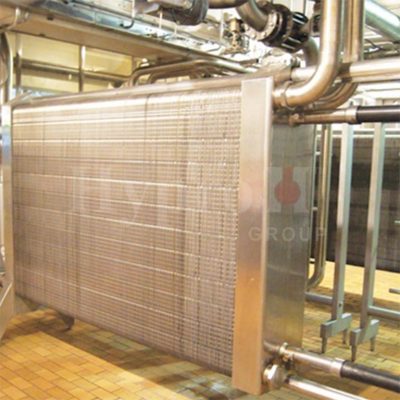
Why the system starts consuming more
Equipment that performed efficiently at lower utilisation may not operate the same way under sustained demand. Heat losses, refrigeration inefficiencies, and utility distribution gaps become more visible as operating hours increase.
What makes this challenging is that energy losses are rarely tied to a single point. They are distributed across the process, making them difficult to isolate.
When efficiency starts impacting profitability
Higher operating costs begin to affect margins. Production growth does not translate proportionally into profitability. Efficiency improvements become harder to achieve without revisiting how energy is used across the entire system.
In practice, energy efficiency begins to determine whether production growth translates into real profitability.
Sustaining performance at scale depends on how effectively the brewery is designed and integrated as a complete system.
The right systems make the difference
Managing these challenges requires more than isolated upgrades. It depends on how well the entire brewery is designed and integrated from the start, or adapted as it scales.
Hypro brings experience across greenfield and brownfield brewery projects, supporting both craft and industrial-scale operations. With a focus on consistent process performance, hygienic design, and robust SS304L construction, the systems are engineered to maintain reliability across critical stages of brewing.
Related Posts

Turnkey Industrial Brewery
From bare land to brewing legacy — setting up an...
Read More
Inside the Carbon Footprint of Beer and Wine
From heat-intensive brewing cycles to the slow, electricity-driven rhythms of...
Read More
Hops Processing
Explore the latest trends in hops processing, including sustainability, specialty...
Read More