
#CO2 #cement #Greenconcrete #Sustainability #CarbonNeutral
Low Carbon Cement: The Next Big Leap in Sustainable Construction
Low Carbon Cement
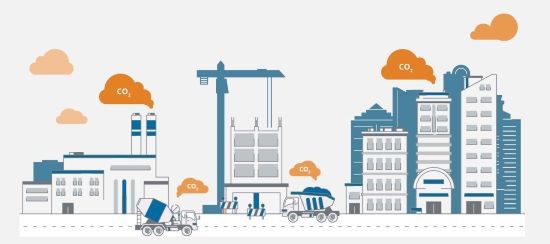
While low carbon cement is transforming modern infrastructure, traditional cement production remains a major contributor to global CO2 emissions – accounting for 8% of global CO2 emissions. This stems primarily from the calcination process, where limestone (CaCO3) is heated to produce clinker, releasing CO2 as a byproduct. The numbers are staggering: for every ton of cement produced, approximately 0.9 tons of CO2 are emitted.
However, here’s where it gets interesting – cement production is also one of the few industries with the potential to permanently trap CO2. By injecting captured CO2 into fresh concrete, the gas reacts with calcium compounds to form stable carbonates that remain locked in the material for centuries.
According to research by the Global Carbon Capture and Storage Institute, this method not only reduces emissions but also enhances the durability of concrete. As industries push toward net-zero goals, leveraging CO2 as a raw material for construction could transform cement from a major emitter into a profitable carbon sink.
With mounting pressure to decarbonize, alternative materials and energy sources are making progress. However, these efforts alone won’t be enough. To truly revolutionize cement production, CO2 recovery innovations must work in tandem with these initiatives, capturing emissions before they reach the atmosphere and repurposing them for sustainable applications.
The urgency to act has never been greater. Climate change policies, carbon pricing mechanisms, and sustainability commitments from global organizations are driving cement manufacturers to rethink their processes. Traditional methods, which rely heavily on fossil fuels and high-clinker cement production, remain major contributors to emissions.
Addressing this challenge requires a comprehensive approach—one that balances material innovation, energy efficiency, and carbon capture technologies. However, simply reducing emissions isn’t sufficient. For a lasting impact, CO2 recovery must become a fundamental part of cement production, turning an environmental challenge into an opportunity for long-term sustainability.
Rethinking Cement: What Defines Low Carbon Cement?
Low carbon cement is not defined by a single innovation but rather by a combination of strategic improvements across the production cycle. Alternative raw materials such as fly ash, slag, limestone calcined clay, and pozzolans are replacing high-emission clinker, significantly lowering the carbon footprint. The rise of blended cements and geopolymers is reshaping the industry by reducing reliance on carbon-intensive components while maintaining durability and performance.
Beyond material innovation, CO2 sequestration and mineralization technologies are turning emissions into resources, embedding them within concrete to enhance strength and longevity. While these advancements signal progress, challenges persist.
Many cement plants still depend on traditional production methods, and transitioning to greener alternatives requires capital investment, regulatory compliance, and technical adaptation. This is where CO2 recovery technology becomes indispensable. Instead of waiting for long-term industry-wide changes, manufacturers can integrate CO2 recovery systems now, bridging the gap between current operations and future sustainability goals.
The Game-Changing Technologies Powering Low Carbon Cement
Beyond carbon capture, electrification is gaining traction as cement plants explore alternatives to coal-fired kilns. Hydrogen-based combustion is also being tested, offering a cleaner alternative with minimal environmental impact. Meanwhile, artificial intelligence and digital monitoring systems are optimizing fuel efficiency and reducing waste, ensuring that every aspect of production contributes to a lower carbon footprint.
Why CO2 Recovery is Essential, Not Optional
This is why CO2 recovery is not just an add-on – it is a necessity. Capturing CO2 directly from cement kilns prevents it from entering the atmosphere, while purification and liquefaction enable its repurposing across various industries.
Carbon mineralization, which locks CO2 into cement products, not only strengthens the material but also reduces overall emissions. By integrating CO2 recovery, cement plants shift from being passive contributors to climate change to active participants in the circular carbon economy, transforming waste into value.
Cement Industry Pioneers: Who’s Leading the Way?
Carbon pricing, emission caps, and tax benefits for green technologies are encouraging cement manufacturers to adopt sustainable solutions. Regulations in Europe, North America, and parts of Asia are becoming increasingly stringent, reinforcing the notion that low carbon cement is not merely an environmental commitment – it is a business imperative.
Hypro’s Role in Cement Decarbonization
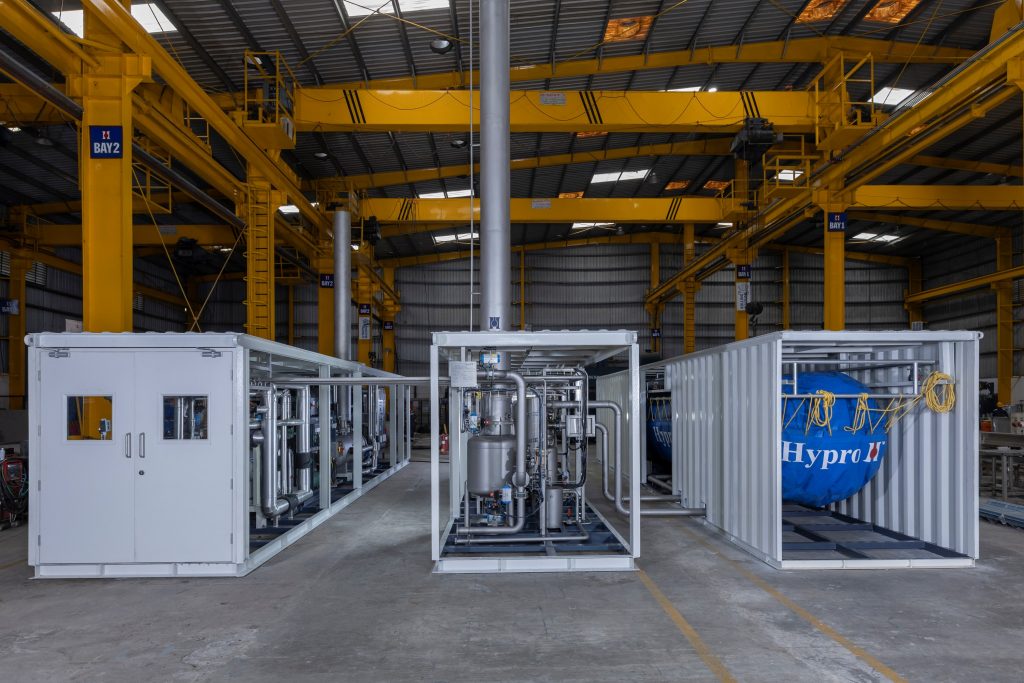
By implementing Hypro’s technology, cement producers can extract high-purity CO2 directly from their production processes unlocking new revenue streams.
Captured CO2 can be utilized in carbonation curing, food and beverage applications, and even synthetic fuel production. As sustainability becomes a key driver of industrial decision-making, Hypro offers not just equipment but a vision – helping cement manufacturers stay ahead of the curve.
Hypro’s ongoing research and development efforts focus on making CO2 recovery even more efficient, reducing energy consumption, and expanding the range of applications for recovered carbon.
Notably, Hypro is developing and will soon provide this solution to a company outside India, marking a significant milestone in its global outreach. As cement manufacturers are keen to cut emissions, Hypro provides tailored solutions that align with both environmental goals and long-term business sustainability.
Are you ready to make the transition? Let’s build a sustainable, low carbon future - one cement plant at a time.
The Road Ahead: Cementing a Sustainable Future
The journey toward low carbon cement is complex, requiring a multi-pronged approach. The industry must continue to embrace alternative materials, optimize energy consumption, and integrate AI-driven efficiencies. However, the real game-changer lies in CO2 recovery, ensuring that unavoidable emissions become a resource rather than a liability.
Related Posts
Engineering Sustainability: Every Day is Earth Day at Hypro
Hypro believes Earth Day is more than a moment - it’s a mission. From sustainability-driven innovations to CO2 recovery and digital transformation, discover how Hypro...
Read MoreEnvironment first: A resilient circular carbon journey led by Hypro

On the World Environment Day, Hypro redefines the role of industry - not as a force that extracts, but as one that restores. With over...
Read More